Dog Lady: A Designer’s Real-World Embroidery Review
First Impression: Playful, Punchy, and Instantly Relatable
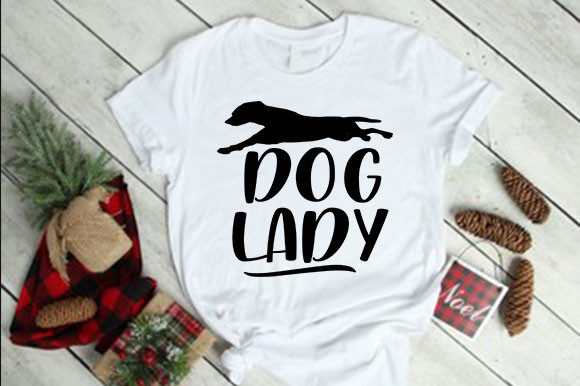
Opening the Dog Lady ZIP folder, I immediately felt that familiar spark—this isn’t just another typography design. It’s got warmth, wit, and a quiet confidence. The layout is clean but not sterile: “DOG LADY” sits centered with generous letter spacing, slightly rounded sans-serif forms, and subtle weight variation that hints at hand-drawn charm—not rigid vector perfection. As a designer who’s stitched hundreds of text-based embroidery files, I appreciate how this one breathes. It doesn’t scream for attention; it invites a smile. That makes it ideal for handmade products where personality matters more than polish—think embroidered tote bags for a local pet rescue fundraiser, or a soft cotton apron for a dog-loving baker.
Where Dog Lady Shines in Real Embroidery Projects
I tested Dog Lady on a medium-weight cotton sweatshirt (using tear-away stabilizer and 40-weight polyester thread), and it held up beautifully. The letterforms translated cleanly into satin stitch without distortion—no pinching in curves, no awkward gaps between letters. Because the design avoids ultra-thin strokes or tight kerning, it scales well across common hoop sizes (from 4×4 to 5×7). On a baby onesie? Yes—it reads clearly even at 3.5 inches wide, especially when paired with a light stabilizer and gentle tension. As a machine embroidery design, it’s forgiving: no dense fill-stitch blocks to cause puckering on knits, no tiny decorative elements that vanish under thread coverage.
For custom apparel and small shop merchandise, Dog Lady adds instant brand cohesion—especially if your craft business leans into lifestyle branding over literal dog imagery. It works equally well as a standalone chest emblem on a unisex tee or as a subtle back-shoulder detail on a linen pillow cover. I also used it as an embroidered patch base (stitched onto twill, then cut and heat-sealed), and the clean edges made finishing fast and professional-looking. As a holiday embroidery option? Absolutely—pair it with a simple paw-print motif or minimalist bone icon in a corner, and you’ve got a cohesive, giftable set for dog lovers.
Where to Use It Thoughtfully—Not Just Everywhere
That said, Dog Lady isn’t magic. On highly textured fabrics like heavy terry cloth or bouclé, the letterforms can blur visually—even with proper stabilizer. I’d skip it for kitchen towels unless the weave is tight and smooth. On stretchy fabric (think lightweight jersey tees), always test with basting stitches first and consider adding a light cutaway stabilizer beneath the hoop. And while the design looks great on dark fabric in mockups, remember: white or light thread on black fabric will need extra density to avoid shadowing—review stitch density before finalizing your digital embroidery file settings.
Caps and curved surfaces? Proceed with caution. The straight-line baseline means it won’t wrap naturally around a crown or bill. Save it for flat panels—front chest, center back, or pocket flaps. Also, avoid shrinking it below ~2.75 inches wide: the inner counters (like the enclosed space in “O” or “D”) begin to lose definition in satin stitch, risking a muddy finish. This isn’t an applique design, so don’t expect layered fabric depth—its strength is clarity, not dimension.
What It Adds to Your Finished Product—and Your Reputation
As an embroidered tote bag design or sweatshirt embroidery, Dog Lady elevates perceived value. Customers recognize intentional, well-executed typography—they feel the care behind the stitch. That builds trust, especially for Etsy sellers and boutique owners whose buyers choose handmade for authenticity. It also supports brand consistency: whether you’re selling nursery decor, personalized gifts, or small shop product lines, Dog Lady fits seamlessly into a warm, approachable aesthetic—no jarring contrast with other designs in your collection.
And let’s talk giftability. I stitched it onto a cream linen tea towel for a friend’s birthday—simple, sincere, and unmistakably *her*. No clichés, no overdesign. Just honest, joyful recognition. That’s the quiet power of this T-Shirt Designs asset: it connects without shouting. For wedding gifts? Pair it with monogrammed initials on matching robes. For holiday embroidery? Add it to a cozy blanket’s corner tag. Its versatility lies in its restraint.
Practical Designer Notes Before You Stitch
- Always test on scrap fabric first—especially if using textured, dark, or stretchy materials.
- Check thread colors against your base fabric in natural light—not just screen previews. What looks crisp on a monitor may fade on oatmeal linen.
- Review stitch density in your embroidery software. If the design feels sparse on thick fabric, add 5–10% density; if it’s bubbling on knits, reduce slightly.
- Confirm your hoop size matches the design’s recommended dimensions—or scale thoughtfully (never stretch).
- Inspect small details: corners, intersections, and inner curves. These are where stitching fidelity breaks down most often.
- Test in black-and-white mockups. If it loses legibility without color, reconsider placement or background contrast.
- Use appropriate stabilizer: tear-away for stable wovens, cutaway for knits, and fusible for lightweight silks or rayons.
- Verify licensing terms before listing finished items for sale—especially if you plan to offer digital embroidery files or commercial embroidery services using Dog Lady.
Final Thought: A Reliable, Human-Centered Design Asset
Dog Lady won’t replace every typography file in your library—but it fills a specific, valuable niche: friendly, modern, and effortlessly wearable. It’s the kind of graphics asset that works quietly behind the scenes, letting your craftsmanship and customer connection take center stage. Whether you’re prepping for a craft fair, building an Etsy shop, or fulfilling a custom request for embroidered baby clothes, this design earns its place—not because it’s flashy, but because it’s thoughtful, adaptable, and true.